HIV: from Discovery to Molecular Testing
How isolating a virus and building tests to detect it turned a once-fatal infection into a manageable, monitored condition.
Identifying the virus was step one; molecular testing is what made early detection and treatment monitoring possible.
What happened
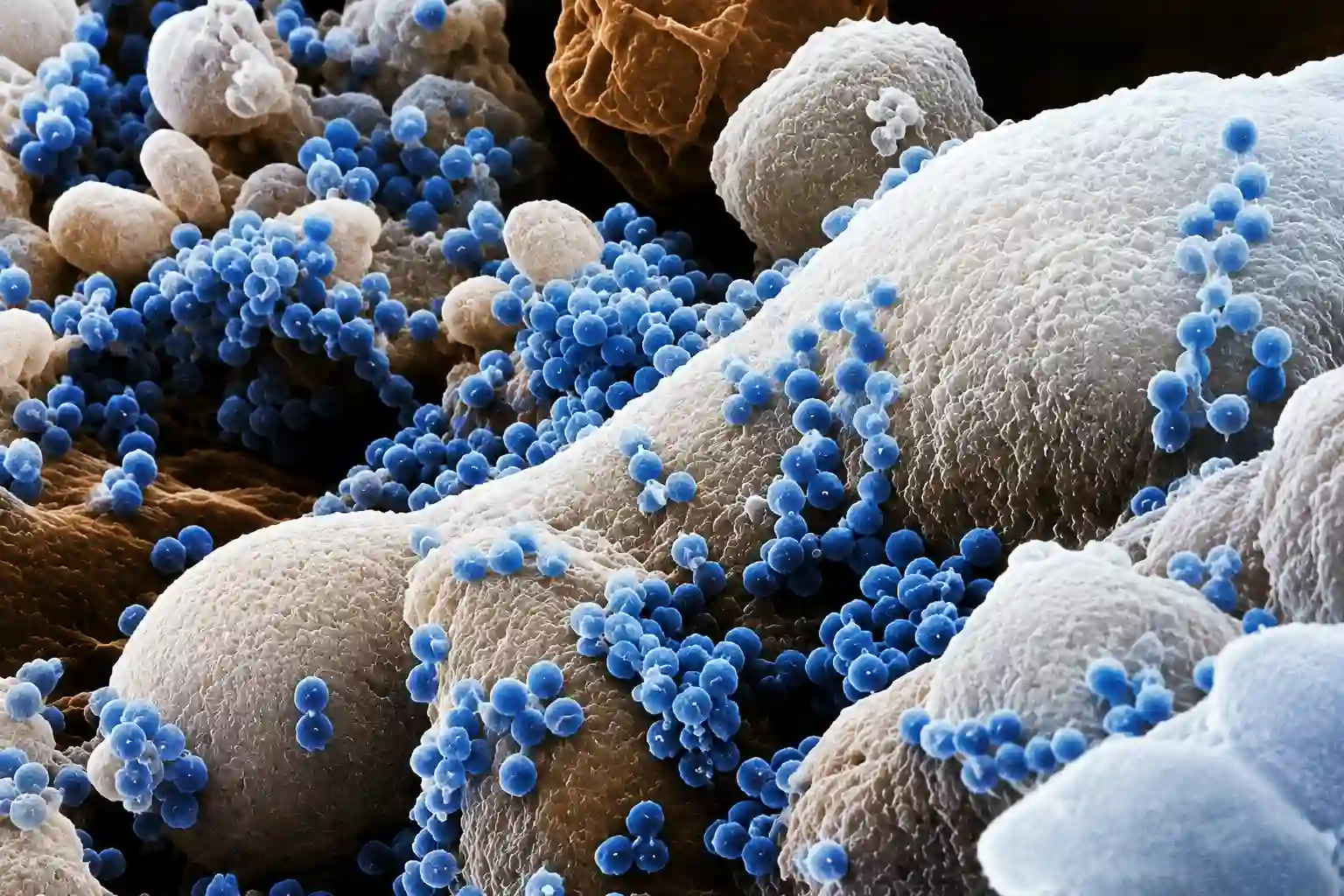
In 1983, Dr Françoise Barré-Sinoussi and Dr Luc Montagnier at the Institut Pasteur isolated the human immunodeficiency virus (HIV) and established it as the cause of AIDS, work recognised with the 2008 Nobel Prize in Physiology or Medicine. That discovery opened the door to blood-screening tests and, later, to molecular tests that detect the virus itself.
Why it mattered
Molecular (nucleic-acid) testing can detect HIV earlier than antibody tests and can measure how much virus is present, the “viral load.” That made it possible to start treatment sooner, track how well it is working, and reduce the risk of transmission. With effective antiretroviral therapy, HIV has become a manageable long-term condition rather than a certain death sentence.
Key points
- HIV was isolated in 1983 and shown to cause AIDS (Nobel Prize, 2008)
- Molecular testing can detect the virus earlier than antibody-based tests
- Viral-load measurement helps guide and monitor treatment
- Early detection and therapy transformed HIV into a manageable condition
How this connects to our testing
This lab offers molecular testing for HIV. See the Test List, or contact the lab to discuss sample requirements. Pricing is shared on enquiry.
Sources
Barré-Sinoussi F, Montagnier L: isolation of HIV and its identification as the cause of AIDS; Nobel Prize in Physiology or Medicine, 2008. · World Health Organization / UNAIDS: HIV testing and treatment guidance, including the role of viral-load monitoring.
Keep reading
Related department: Molecular Diagnostics
Refer a case or start a conversation
Tell us what you need, our team will help with sample requirements, turnaround, and reporting.